Musk v. Altman: What the Jury Could Decide About OpenAI's Future
Nine jurors deliberate in Musk v. Altman on charitable trust claims that could unwind OpenAI for-profit conversion and claw back investor equity if Musk wins.
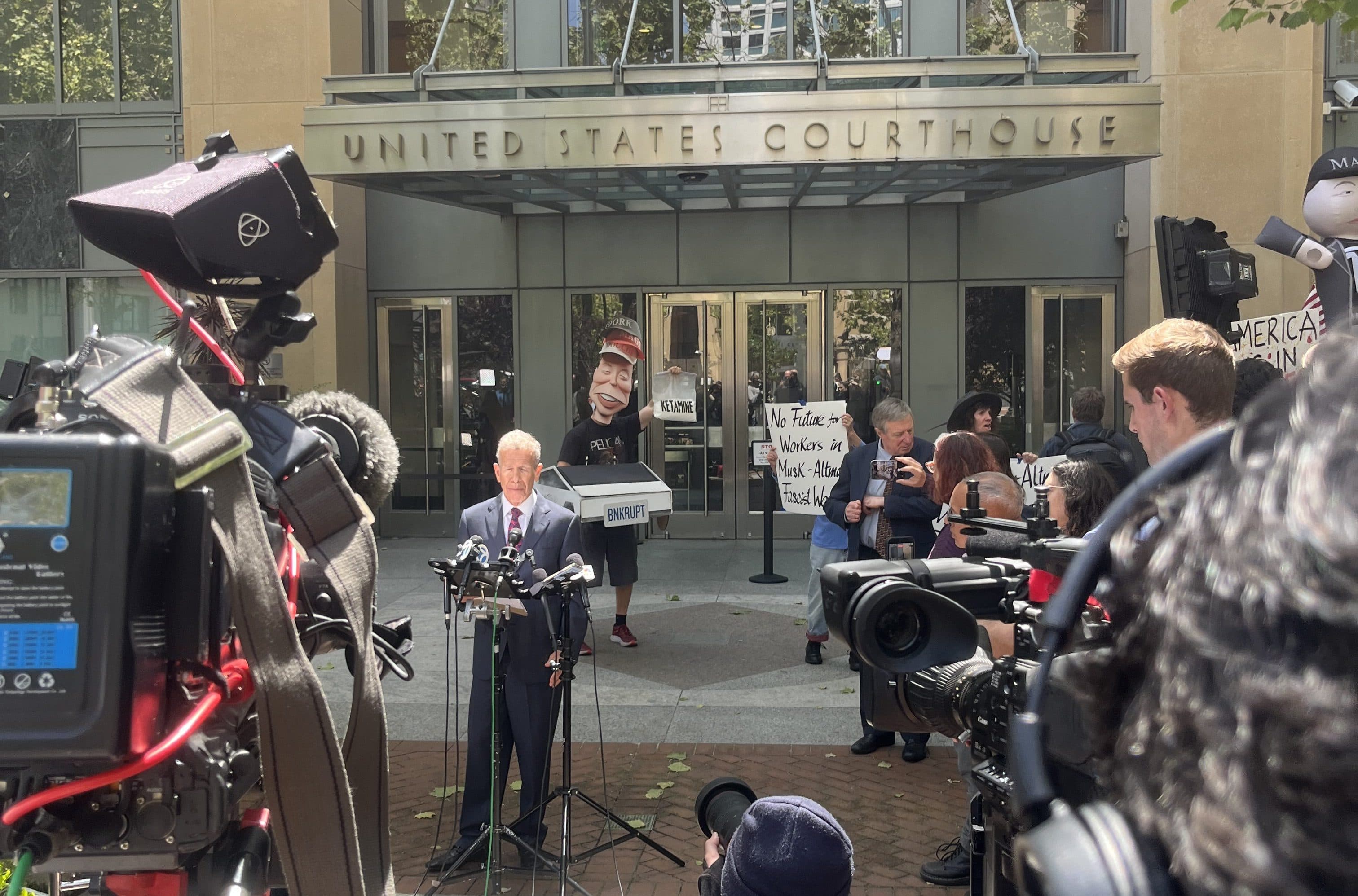
Closing arguments wrapped May 14 in the federal Oakland courtroom where Elon Musk's lawsuit against OpenAI, Sam Altman, Greg Brockman, and Microsoft finally reached its culminating phase. A nine-person jury will deliver an advisory verdict on whether OpenAI and its co-founders breached charitable trust obligations when the organisation transitioned from a nonprofit to a for-profit corporate structure — with Judge Yvonne Gonzalez Rogers retaining final authority over any liability and remedy determinations.
The verdict is advisory in legal terms but consequential in practical ones. If the jury finds for Musk, it hands the judge a factual foundation for imposing remedies that Musk's lawyers have framed as potentially including the forced dissolution of OpenAI's for-profit arm and the clawback of $134 billion in equity value distributed to investors.
Three Questions for the Jury
The jury is deliberating on three core claims. The first is breach of charitable trust: whether OpenAI violated the terms under which Musk's donations were accepted by using them to build commercial infrastructure rather than charitable AI safety research. Forensic accounting testimony presented during the trial established that all of Musk's donations were consumed by August 5, 2021 — a date that precedes the most visible commercial pivot but does not necessarily preclude a finding that the organisational trajectory was already set.
The second claim is unjust enrichment: whether Altman, Brockman, and others personally benefited from Musk's charitable contributions by accumulating equity in the for-profit entity that those contributions helped build. The jury must weigh whether the $200 billion in equity value OpenAI says the for-profit arm has generated was genuinely intended to support the nonprofit mission, or represents a private benefit extracted from charitable funds.
The third is aiding and abetting: whether Microsoft, whose $10 billion investment in 2023 Musk's lawyers characterise as the pivotal enabling moment for the for-profit conversion, knowingly facilitated the alleged breach. Microsoft executives testified that they were unaware of any specific conditions attached to Musk's donations and described their investment as the result of standard commercial due diligence.
Dramatic Testimony
The trial produced testimony that will shape how AI governance is discussed regardless of the verdict. Altman testified that the nonprofit structure had been "left for dead" financially before the for-profit conversion, arguing that without commercial investment the organisation would have folded entirely — making the question of breach moot. Musk's legal team countered that the decision to abandon the charitable structure was made precisely when the commercial value of the technology became apparent, a sequence it characterised as self-serving.
Musk's admission during cross-examination that xAI, his competing AI company, distils knowledge from OpenAI models provided OpenAI's defence with the "unclean hands" argument it needed. If Musk was simultaneously leveraging OpenAI's publicly available outputs to build xAI, OpenAI's lawyers argued, his claim to have been harmed by OpenAI's commercial activities loses moral coherence.
OpenAI also raised the statute of limitations defence, arguing that events Musk relies on — including the 2021 decisions about organisational structure — fell outside the window for the claims he filed in 2024.
What the Verdict Cannot Do Alone
Because the jury verdict is advisory, it does not immediately change OpenAI's corporate structure. Judge Gonzalez Rogers must accept or modify the findings, and any remedy — including any form of structural relief — would be decided in a separate phase. That process would take months even in an expedited scenario, meaning OpenAI's ongoing fundraising, product launches, and commercial operations are unlikely to be disrupted by the immediate verdict.
The more significant near-term risk is reputational and regulatory. A jury finding of breach of charitable trust would give ammunition to state attorneys general, members of Congress scrutinising AI governance, and OpenAI's commercial rivals. It would also arrive as OpenAI is attempting to finalise a conversion of its own nonprofit's stake into equity — a transaction requiring approval from multiple state regulators that would be materially complicated by a court finding against the company.
Bloomberg noted that Altman and Brockman remain focused on the company's upcoming product announcements and capital activities, with sources close to OpenAI describing the trial as a costly distraction rather than an existential threat. Whether the jury agrees with that assessment will become clear in the coming days.
Sources
- ↳https://www.cnbc.com/2026/05/14/closing-arguments-jury-openai-musk-altman.html
- ↳https://techcrunch.com/2026/05/14/what-the-jury-will-actually-decide-in-the-case-of-elon-musk-vs-sam-altman/
- ↳https://www.bloomberg.com/news/articles/2026-05-14/musk-altman-make-final-pitches-to-jury-in-battle-over-openai
- ↳https://www.cnbc.com/2026/05/13/altman-musk-trial-testimony-takeaways.html